
By: Dhatri Bolneni
The Start Small Movement + IHWA Collab
What is Intermittent Fasting?
Intermittent fasting is an eating plan or schedule that switches between fasting and eating. With intermittent fasting, you are mostly focused on when you eat as opposed to what you eat. There are multiple different intermittent fasting schedules. One example is eating for only an 8 hour period and then fasting for the remainder of the 24 hours, known as the 16:8. Another example is the 5:2 fasting which is also called twice-a-week fasting. This is where you consume a regular amount of calories for five days a week and restrict calorie intake the other two days. This usually means eating one 500-600 calorie meal during each of these days. Regardless of what schedule you chose, they are all based on the same thing which is choosing regular time periods to eat and fast. While you are fasting, you are allowed to drink water and other zero calorie drinks such as coffee and tea. During your eating periods, you should eat normally (not overeat) while staying nutritious. A good food plan to follow is the Mediterranean diet. This diet allows you to stay healthy and guilt free through eating lean meat, and plenty of fruit and vegetables.
Intermittent fasting creates a calorie deficit and shifts the body’s energy source from glucose to ketones. The body starts to use fat as its main fuel. The fat then starts to burn to provide energy for the body, causing fatty acids to be released from body fat stores. Some of these fatty acids are released to the liver where they are oxidized and turned into ketones. Ketones can provide energy to the whole body and even support the brain. When the body has a high concentration of ketones, it goes into a metabolic state called ketosis.
Health Benefits of Intermittent Fasting
Weight
There are many health benefits of intermittent fasting. Research shows that it can be a way to control and manage weight by creating a calorie deficit and alternating hormonal responses related to burning fat. By restricting your eating time to certain windows, individuals are able to consume fewer calories which can lead to weight loss. The key here is to make sure that you don’t overeat during your eating windows in order to achieve this goal. Johns Hopkins neuroscientist Mark Mattson who has been studying this form of fasting for 25 years has said that after hours without food, the body exhausts its sugar store and starts burning fat instead, hence resulting in weight loss. Many people have a sedentary lifestyle today as opposed to people 50 years ago and spend more time sitting and snacking than exercising and going outdoors. This can lead to obesity. Scientific studies have shown that intermittent fasting may reverse these trends. In six brief studies, obese human adults lost weight through intermittent fasting.
Prevents Disease
Intermittent fasting causes body cells to change how they work through timed eating which makes cells focus on repair, energy usage, and balancing the body’s functions. Studies have shown that intermittent fasting can improve short term health. Multiple processes occur during intermittent fasting that protect organs from chronic diseases. The body can be protected from diseases such as age related neurodegenerative diseases, autoimmune diseases Type 2 diabetes, Inflammatory Bowel Disease (IBD), cardiovascular disease, and many different types of cancers. Most of the available research on intermittent fasting’s effect on type 2 diabetes shows that it can help people lose body weight and lower levels of fasting glucose (the level of glucose in your blood after you haven’t eaten for at least eight hours). It also reduces insulin resistance while decreasing leptin levels and increasing adiponectin. Low leptin levels lead to increased appetite and decreased energy usage while an increase in adiponectin is associated with improved insulin sensitivity, reduced inflammation, and a lower risk of type 2 diabetes and cardiovascular disease. Due to these findings, patients who take part in intermittent fasting with doctor supervision were able to reverse their need for insulin therapy. Studies have also shown that there is an improvement in tissue health and verbal memory in humans.
Overall intermittent fasting has proven to give you a longer life, sharper mind, and a leaner body.
Dangers of Intermittent Fasting
Intermittent fasting can have multiple side effects such as hunger, fatigue, insomnia, nausea, constipation, and headaches. Depending on the length of the fasting period, you may start experiencing some of these side effects. Most of these side effects usually go away within a month, but in order to decrease them you should switch to an eating plan that allows you to eat a good amount of calories and balanced meals everyday. Always talk to your doctor before starting intermittent fasting to make sure that it is right for you. Malnutrition could also take place if calorie restriction is too severe, such as averaging less than 1,200 calories a day long term. It may also be dangerous if you’re taking certain medications. This is why you should always consult with your doctor if you are taking any medicine to make sure that it is safe and work with them closely. Skipping meals and limiting calories can be dangerous for people within certain conditions. For example, people who take medication for blood pressure may be more prone to vitamin and mineral imbalances during longer periods of fasting. In addition, people who take their medication with food for nausea and stomach irritation may not do well with intermittent fasting. While intermittent fasting can be safe for many people, it isn’t safe for people who are pregnant, have eating disorders, have certain psychiatric or other mental health concerns, or are under 18 years of age. Athletes may also find it difficult to sufficiently fuel their body, so intermittent fasting may not be the right choice for them, unless done under professionally and strictly monitored guidelines.
Ketogenic Diet
The ketogenic diet, which is also known in short as the keto diet is similar to intermittent fasting. Both these diets can lead to the body burning fat for energy. The keto diet restricts carbohydrate intake, forcing the body into ketosis. The keto diet is a strict-high fat diet which focuses on low levels of carbohydrates and protein. The body uses fat for fuel instead of sugar which produces ketones which are the body’s main energy store. The goal is to eat 4 grams of fat for every one gram of combined protein and carbs.
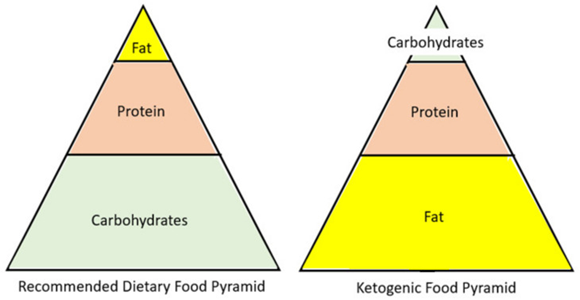
This means avoiding carbs like pasta, potatoes, and fruit and focusing on 4 grams of fatty foods like heavy cream, avocado, cheese, and olive oil. An example of a meal would be half of an avocado with a small piece of salmon cooked in olive oil with a side of vegetables topped with cheese and heavy cream.
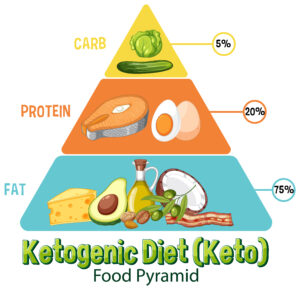
Other foods you can eat include:
- Dairy and unsweetened dairy alternatives such as full fat cheese, plain full fat yogurt, cottage cheese, and unsweetened plant-based milk.
- Low-carb vegetables like leafy greens, peppers, and broccoli.
- Other plant-based foods include nuts, seeds and avocados.
- Oils and fats like olive and coconut oils, along with whole olives and avocados.
- Small amounts (usually 3 ounces) of clean, high protein foods such as seafood, meat, poultry and eggs.
- Can occasionally consume a small amount of fruits such as organic berries. Ideal intake during your eating window is 1-2 servings but depends on each person.
Advantages
Some of the advantages of a keto diet include eating a lower amount of carbs which in return reduces appetite which means eating a lower amount of calories without being hungry. A keto diet also results in weight loss, primarily visceral fat which is located around organs. Viseral fat is unhealthy for the body as it is associated with inflammation and insulin resistance. Over time a keto diet can reduce the risk of heart disease and type 2 diabetes through burning this visceral fat. In addition, triglycerides tend to drop and HDL cholesterol (good cholesterol) increases.
Positive Impact on Neurological and even some Psychological Diseases
The keto diet has proven to help in managing and treating various neurological diseases such as Epilepsy, Alzheimer’s disease, and Parkinson’s disease.
Eplipsy
Epilepsy is a neurological condition that causes repeating seizures due to unusual electrical activity in the brain. The keto diet has been used for decades to help reduce these seizures and prevent epilepsy. It was first used in 1920 as a treatment for drug resistant epilepsy. The keto diet is still used today along with modern medicine to help manage and prevent seizures. But how does following a keto diet prevent these seizures? Well think about it, your brain needs glucose to perform neurological functions. Usually, the brain uses glucose from carbs, but when following a keto diet, carb intake is very low causing ketones to be produced instead. The brain can also use these ketones as its energy source. This metabolic shift in the brain’s energy source causes brain activity to stabilize and reduce the likelihood of abnormal electrical discharges which cause seizures.
Alzheimer’s Disease
Alzheimer’s disease is a progressive, irreversible brain disorder that slowly destroys memory and thinking skills. The keto diet has proven to slow down these effects by providing an alternative brain fuel source, improving brain function, and reducing inflammation. The brains of people with Alzheimer’s have difficulty using glucose, so by practicing the keto diet, the brain is able to receive an alternate energy which in this case is ketones. These ketones help improve the function of nerve cells in the brain and the function of the mitochondria of the cells hence boosting learning and memory. In addition, the keto diet lowers inflammatory markers and reduces stress, creating a healthier environment for neurons.
Parkinson’s Disease
Parkinson’s disease is a neurological disorder that affects movement due to the death of cells that produce dopamine. This disease leads to symptoms such as tremors, stiffness, and slowness in movement. Research is still limited but has shown that the keto diet improves motor and non-motor symptoms in people with Parkinson’s disease. Also, the ketones produced from following this diet can protect neurons and help slow the progression of the disease. Finally, the keto diet allows for a better potential to absorb medication for Parkinson’s disease.
Disadvantages
Some disadvantages of the keto diet are that it could potentially lead to nutrient deficiency. Due to consuming a small amount of carbs, the intake of fruits and vegetables is less. This can lead to low levels of vitamins such as A, E, and B6 and low levels of minerals such as calcium, magnesium, and potassium. So you should make sure that you take multivitamins to make sure you are meeting these nutrient needs. Another disadvantage is that you might experience side effects like “keto flu” which include headaches, fatigue, brain fog, and sleep disturbances due to the body switching to burn fat for energy. These side effects usually last only a few days and go away once your body gets used to the diet. In addition, constipation may be a long term effect of the keto diet due to low consumption of fiber. Fiber is a much needed prebiotic by our gut for digestion. Without carbs our body doesn’t get the fiber it needs which causes constipation and may make you more prone to colon cancer.
Ayurvedic Approach to Fasting
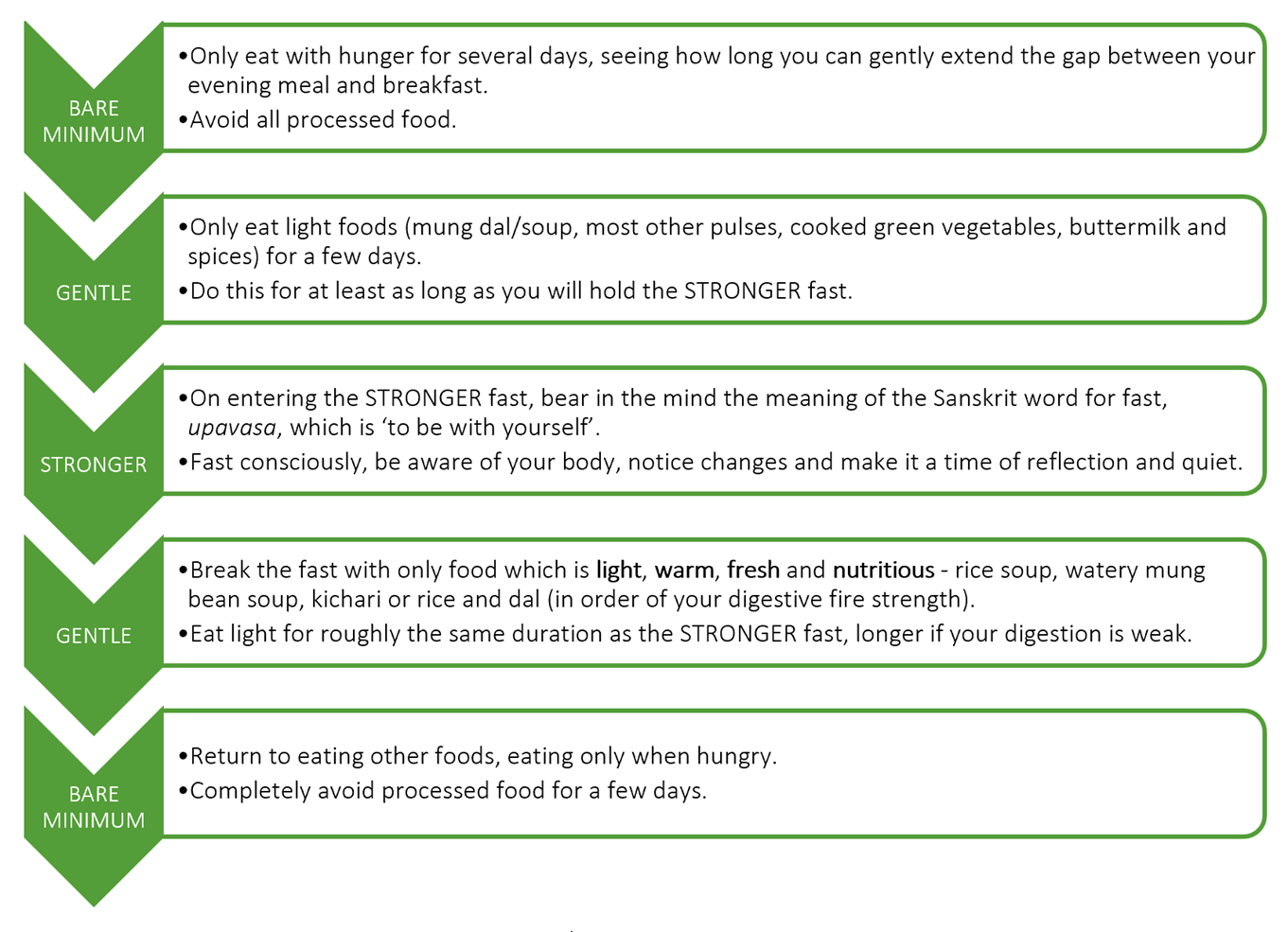
Fasting is a huge part of ayurvedic treatment. When the body gets too heavy and gets congested, you can follow an easy method called upavasa (fasting) to help lighten the digestive system and allow toxins to leave the body while excess food is digested. During this fasting process, the body is able to repair and rest. There are three degrees of fasting in Ayurveda. Bare minimum, gentle, and stronger. Bare minimum fasting is fasting between meals until experiencing proper hunger. This allows the body to feel light and clear burps. With gentle fasting, you only eat light or less food when you feel hungry. Some of the foods you can eat are kichadi, soups, lentils, and cooked vegetables. Finally, stronger fasting is fasting through hunger. This can help certain conditions such as obesity, fever, diarrhea, nausea, vomiting, type 2 diabetes, and other diseases. If you are a child, elderly person, pregnant, or feeling weak, you should not participate in this degree of fasting. In addition, you should not over fast. Some side effects of over fasting are having a dry mouth, loss of appetite and taste, impairment in memory, and cracking skin. If you experience these side effects, you should switch to smaller fasting periods.
Kichadi/Kitchari
Kichadi is a common Indian lentil dish also called kitchari in Ayurvedic practices. Kitchari is a dish that is designed to reset eating habits and give the body a break. Many people follow the 5 day kitchari fast which is an Ayurvedic mono-diet that gives the digestive system a rest and supports detoxification. During this five day kitchari fast, people eat only kitchari for breakfast, lunch, and dinner. Some variations allow for additions such as steamed vegetables and ghee based on your body’s needs. Hydration is really important during this fast and you should drink plenty of water and herbal teas to flush out toxins. The kitchari that you eat contains lots of nutrients beneficial to your body. The food you eat that is in kitchari gives your body the energy it needs while eliminating toxins that build up your body. The dish usually uses rice, mung beans, other whole grains, and lentils. Lentils and mung beans are easier to digest. A typical bowl provides lots of nutrition for healing. Some advantages of eating kitchari are that it eliminates toxins, improves digestion, restores regular bowel movement, removes heaviness or congestion, improves energy, and supports a healthy body. Ayurveda knew about the benefits of fasting 5000 years ago. Isn’t that amazing? Ayurveda timed it with full moons such as Ekadashi, Gurupurnima, and many other holidays. Many other cultures also had fasting built in during the year.

Easy Recipe
This recipe provides instructions for making a simple and comforting khichdi, a hearty and digestible dish popular in Indian cuisine, often enjoyed as a light meal or during times of illness.
Ingredients
- ½ cup Rice
- ½ cup Moong/Mung dal/lenthils
- 4 & ½ cups Water
- ¾ cup Mixed vegetables chopped
- 2 Tomato chopped
- 1 teaspoon Red chilli powder
- ½ teaspoon Garam masala powder
- ¼ teaspoon Turmeric
- ¼ cup Coriander leaves chopped
- Salt
To temper
- 2 tablespoon Oil/ ghee
- 1 teaspoon Cumin seeds
- 2 teaspoon Ginger Finely chopped
- 2 Green chilli chopped
- 1 Curry leaves sprig
Instructions
- Wash and soak rice and dal together for half an hour.
- Meanwhile, prep the other ingredients needed.
- Once ½ hour is up, in a pressure cooker, take soaked dal and rice with turmeric, vegetables and ½ the salt.
- Bring everything to boil and close the lid, put the pressure valve after steam comes.
- Pressure cook for 3 whistles. Make sure you use a big pressure cooker. I used my pot shaped cooker. After the first whistle, put the flame to medium.
- Heat a kadai and temper with cumin, ginger, green chilli, curry leaves and give it a stir.
- Add tomatoes, remaining salt, red chilli powder, coriander leaves and garam masala.
- Fry until mushy and oil separates. By now the rice, dal, veggies will be done. Open the cooker and mash well.
- Add the tomato with other masalas we fried, to it and mix well.
- If you want, you can let it cook together for a couple of minutes, or just mix and have it.
Notes
- I used 5 beans, 1 small carrot and ½ cup green peas. Can add potatoes too.
- You can skip garam masala.
- Keep ½ cup hot water ready, if the khichdi is too dry, you can add it and mix.
- Gives so much volume, so make sure you add salt accordingly.
- Soaking is really important.
- You can pressure cook and while it’s getting cooked, chop the other ingredients needed.
Instapot Versions
Here’s a 5 minute prep version to start with:
https://savorylotus.com/instant-pot-kitchari-one-pot-gluten-free-plus-stove-top-directions/
https://creativeinmykitchen.com/a-3-day-ayurvedic-cleanse-low-lectin-kitchari-recipe/
Others to try out when you have 10 or more minutes to prep:
https://www.nourishingnirvana.com/blog/instant-pot-kitchari
https://onebiglove.com/blogs/recipes/kitchari
https://www.veganricha.com/instant-pot-kitchari/
https://www.veganricha.com/brown-rice-mung-bean-kitchari-mung-bean-stew/
*Note*- white rice is easier to digest for most people so you should start with white rice kitchari
Kitchari Kits for Busy People
Banyan Botanicals: https://www.banyanbotanicals.com/products/kitchari-kit
Divya’s Kitchen: https://divyas.com/product/the-complete-kitchari-bundle/
Cumin Club: https://www.thecuminclub.com/
Sample 5 Day FMD & 5 Day Kitchari Fast (more recipes in Valter Longo’s Book)
https://creativeinmykitchen.com/five-day-fast-mimicking-vegan-and-lectin-light-cleanse/
https://valterlongo.com/fasting-mimicking-program-and-longevity/
https://www.thefastingmethod.com/
Books to Read
Jason Fung’s Books
Valter Longo’s Books
Change Your Diet Change Your Mind – Georgia Ede MD
Documentaries to Watch
The Perfect Human Diet: https://www.amazon.com/Perfect-Human-Diet-C-J-Hunt/dp/B00AX4QEAS
Eat Fast & Live Longer: Eat, Fast & Live Longer BBC Documentary
Fasting and the Longevity Revolution Documentary: https://fastingandthelongevityrevolution.com/access-documentary/
Based on Valter Longo’s Work: https://fastingandthelongevityrevolution.com/
The Magic Pill: (About Keto Diet)
Amazon Prime Link: https://www.amazon.com/Magic-Pill-Pete-Evans/dp/B078H4J7G1
Youtube Link: https://www.youtube.com/watch?v=W2mkTlTGM9c
Netflix Link: https://www.netflix.com/title/80238655
References
- https://www.hopkinsmedicine.org/health/wellness-and-prevention/intermittent-fasting-what-is-it-and-how-does-it-work
- https://www.mayoclinichealthsystem.org/hometown-health/speaking-of-health/intermittent-fasting-fad-or-solution
- https://www.mayoclinic.org/healthy-lifestyle/nutrition-and-healthy-eating/expert-answers/intermittent-fasting/faq-20441303
- https://www.health.harvard.edu/staying-healthy/4-intermittent-fasting-side-effects-to-watch-out-for
- Picture and Recipe: https://rakskitchen.net/dal-khichdi-recipe-moong-dal-khichdi/#recipe
- https://health.ucdavis.edu/blog/good-food/what-is-the-keto-diet-and-can-it-be-beneficial-for-you/2025/05
- https://www.healthline.com/nutrition/10-benefits-of-low-carb-ketogenic-diets#TOC_TITLE_HDR_8
- https://pubmed.ncbi.nlm.nih.gov/31805451/
- https://www.healthline.com/nutrition/what-is-ketosis
- https://ayurvedapractice.com/wp-content/uploads/2024/02/Steps-of-fasting.png
- https://www.healthline.com/health/how-to-do-a-kitchari-cleanse
- https://pubmed.ncbi.nlm.nih.gov/35718870/
Tell us what you think.
Related Posts



Dr. Minal Vazirani

CONTACT INFORMATION
844.543.2537 (1.844.5HEALER)
info@ihwa-nj.com
OFFICE LOCATIONS
112 Town Center Drive Suite 201
Warren, NJ 07059
200 South Orange Ave Suite 107
Livingston, NJ 07039
Dr. V. is a warm and compassionate individual. She is well versed in several forms of medicine. That is why I like her because she can see things from different angles. She is very wise for her years.
Always Positive!! Integrative Medicine has saved me! Thank You Dr. Vazirani!!
Dr. Vazirani is very pleasant, knowledgeable and always has the interest of the patient. I am very happy to be under her care and would recommend her to all my friends
Are you looking for a Triple Board Certified Doctor who gets Integrative, Functional, & Ayurvedic Medicine in NJ?
Message us or complete our intake form to get started with Dr. Vazirani.